
Industrial automation has entered an era where speed, precision, and reliability are no longer optional they are fundamental requirements for competitive operation. Among the many motion-control technologies that support this demand, pneumatic cylinders stand out as one of the most versatile and cost-efficient solutions. Their ability to turn compressed air into linear or rotary mechanical motion makes them indispensable in manufacturing, packaging, automotive assembly, food processing, material handling, and countless other sectors. While digital systems and robotics continue to evolve, pneumatic cylinders remain a backbone technology due to their simplicity, durability, and adaptability.
Understanding the true value of pneumatic cylinders requires looking beyond their basic function and recognizing how they directly impact operational performance. From improved safety to reduced downtime, this article explores the unique benefits that make them a cornerstone of industrial automation.
Exceptional Reliability in Demanding Environments
One of the most significant advantages of pneumatic cylinders is their inherent reliability. Unlike electric actuators that depend on complex circuitry or hydraulic systems requiring meticulous sealing, pneumatic cylinders have a simpler internal structure. This simplicity translates into fewer failure points, making them ideal for dusty, humid, or high-temperature environments where electronics may malfunction.
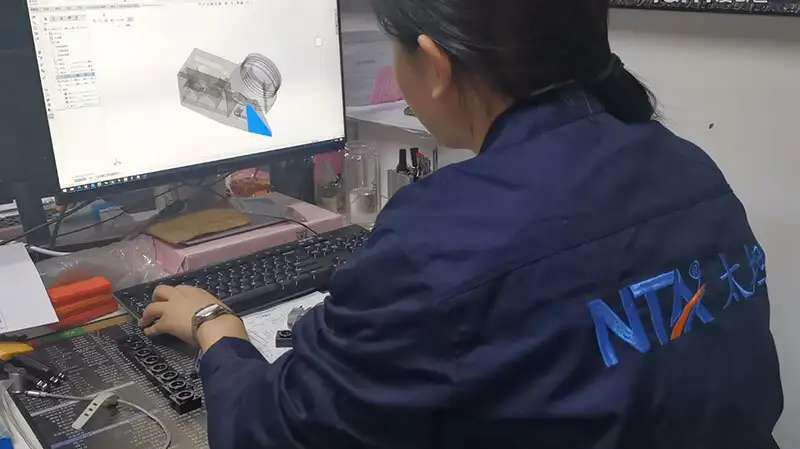
Many pneumatic cylinder suppliers highlight reliability as the primary reason factories choose air-driven actuation for continuous-use applications. Their long service life and minimal sensitivity to harsh conditions ensure consistent performance, even in extreme industrial settings.
High Speed and Rapid Cycling Capability
Industrial automation often demands repetitive motion at high speed. Pneumatic cylinders excel in this area, delivering rapid extension and retraction cycles without overheating or losing efficiency. Compressed air can be released quickly, allowing operations such as stamping, clamping, pushing, and sorting to occur at remarkable speeds.
Because of this ability to perform thousands of cycles per hour, pneumatic cylinders are widely used in packaging lines, bottling machines, and robotics systems that prioritize cycle time. A trusted pneumatic cylinder manufacturer can tailor cylinder specifications to achieve even higher speeds, depending on the application’s needs.
Energy Efficiency and Lower Operating Costs
Compared to hydraulic systems that require pumps, fluids, and large power units, pneumatic cylinders rely on air a resource that is widely available and inexpensive to compress. Their low power consumption and minimal maintenance requirements contribute to significant cost savings over time.
Additionally, pneumatic systems allow easy regulation of air pressure, enabling precise control over energy usage. When integrated with smart automation strategies, they can substantially reduce operating costs without compromising performance.
Enhanced Safety for Operators and Equipment
Safety remains a top priority in industrial environments. Pneumatic cylinders are inherently safer compared to electric or hydraulic actuation methods because air compresses naturally. In case of system failure, stored energy dissipates quickly, minimizing the risk of sudden and dangerous movements.
Furthermore, pneumatic cylinders do not involve flammable fluids or electrical hazards, making them ideal for industries like food processing, chemical manufacturing, and environments with strict regulatory safety standards.
Broad Customization and Application Flexibility
Modern manufacturing plants rarely rely on one-size-fits-all solutions. Every automated line has unique space constraints, motion requirements, load capacities, and environmental conditions. Leading pneumatic cylinder suppliers now offer a wide range of cylinder types—single-acting, double-acting, compact, guided, rodless, rotary, and custom-engineered models.
A highly capable pneumatic cylinder manufacturer can modify materials, bore sizes, seals, pressure ratings, and stroke lengths to match exact operational needs. This level of customization allows industries to integrate cylinders into complex systems without design compromises.
Minimal Maintenance and Fast Replacement
Downtime is expensive. Pneumatic cylinders help reduce it by offering fast, straightforward maintenance. Their modular structure means components like seals, rods, and mounts can be replaced quickly without specialized tools. Many factories maintain spare cylinders because they are cost-effective to stock and easy to install, ensuring operations resume within minutes.
Conclusion
The benefits of pneumatic cylinders in industrial automation extend far beyond simple motion control. Their reliability, speed, energy efficiency, safety, adaptability, and low maintenance make them one of the most valuable components in modern automated systems. As industries continue to innovate, pneumatic cylinders remain a trusted solution especially when sourced from experienced pneumatic cylinder suppliers and engineered by a leading pneumatic cylinder manufacturer committed to performance and precision.